
Aston Villa's Financial Strategy
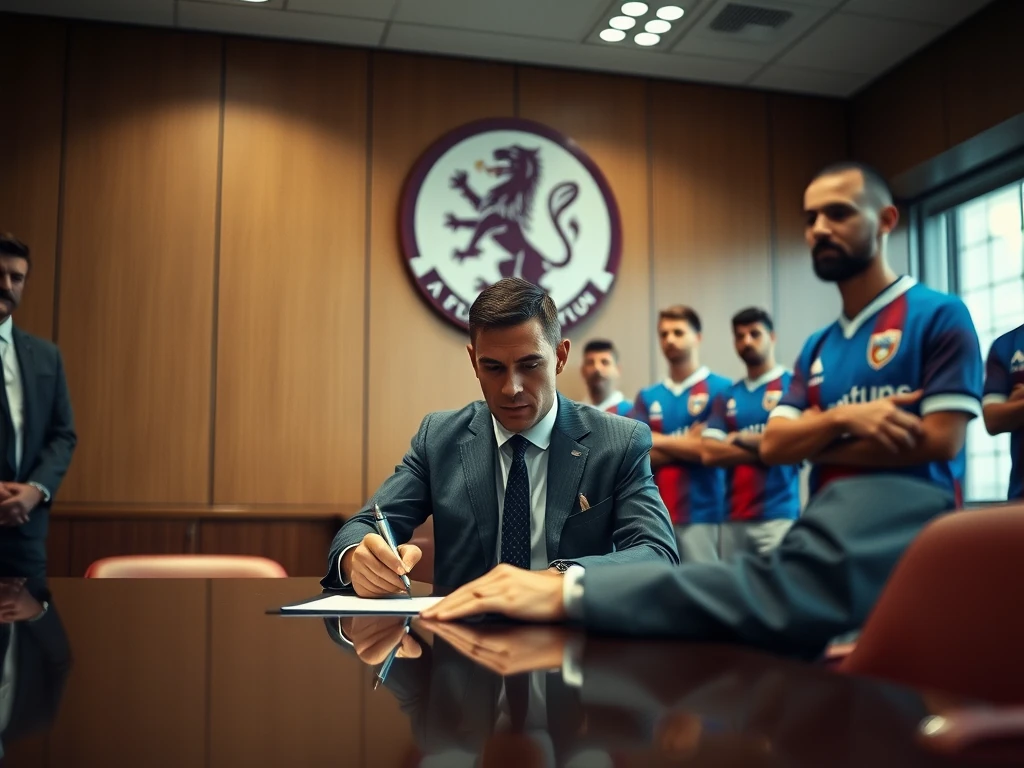
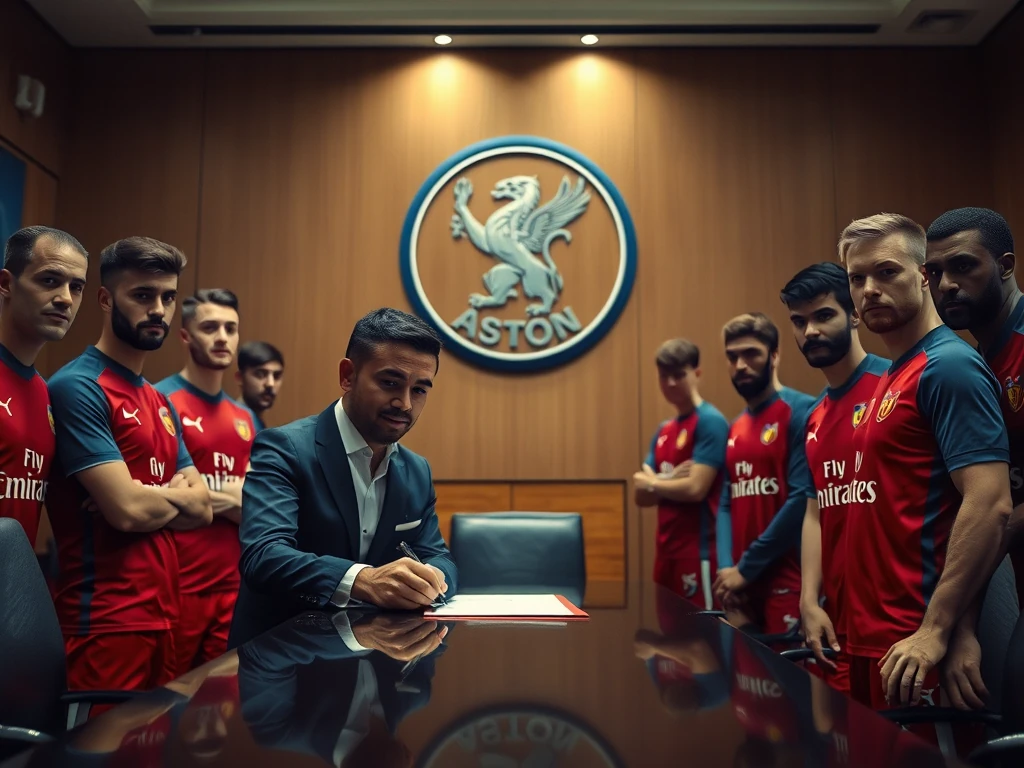
Following manager Unai Emery's goals for competitiveness in the English Premier League, Aston Villa has consistently focused on selling key players to remain financially stable. Over three seasons, Villa have achieved impressive results: two Champions League qualifications (albeit narrowly missing out once) and a Europa League victory under Emery. Despite this success, club executives are well aware that maintaining their place among elite teams necessitates strategic player sales.
Recent Player Sales and Financial Impact
In the current summer transfer window, Villa has already seen significant departures with Manchester United acquiring midfielder Youri Tielemans for £35 million and striker Morgan Rogers joining Chelsea for a record-breaking £117 million. These transactions highlight Villa's ability to identify and sell value players proficiently.
However, the club’s financial planning goes beyond immediate sales; it involves continuous reassessment within competitive constraints like UEFA’s Financial Fair Play regulations. Villa’s lowest net spend in the league suggests their commitment to profitability while also aiming for squad stability and upward mobility.
Despite the revenue from these high-profile transfers, key academy-generated talent may be sold for bookable profit under rules such as Profit and Sustainability Rules (PSR). Over the past five years alone, sales through the academy have generated over £200 million, underlining Villa's financial astuteness.
Future Challenges and Strategies
The UEFA Settlement Agreement requires Aston Villa to comply with specific costs management strategies for the coming years. With projected losses needing to be managed carefully to avoid breaches, recent player movements like Morgan Rogers' sale are key. Chelsea’s willingness to pay over £90 million for Rogers indicates both club's alignment on financial aspects while handling complex regulatory environments.
Also, maintaining a relationship with both selling and buying clubs is key. The recent move of Alejandro Garnacho from Manchester United signals Villa's potential for more such deals in the future. Such flexibility in player transactions shows not only financial savvy but also tactical acumen to adapt within competitive pressures.
while Aston Villa has demonstrated expertise in leveraging its player sales strategy effectively, handling the complex interplay between competitiveness and financial regulations remains a most important challenge. The club's upcoming season will be deeply influenced by their current roster management and future strategic decisions involving player acquisitions and releases.