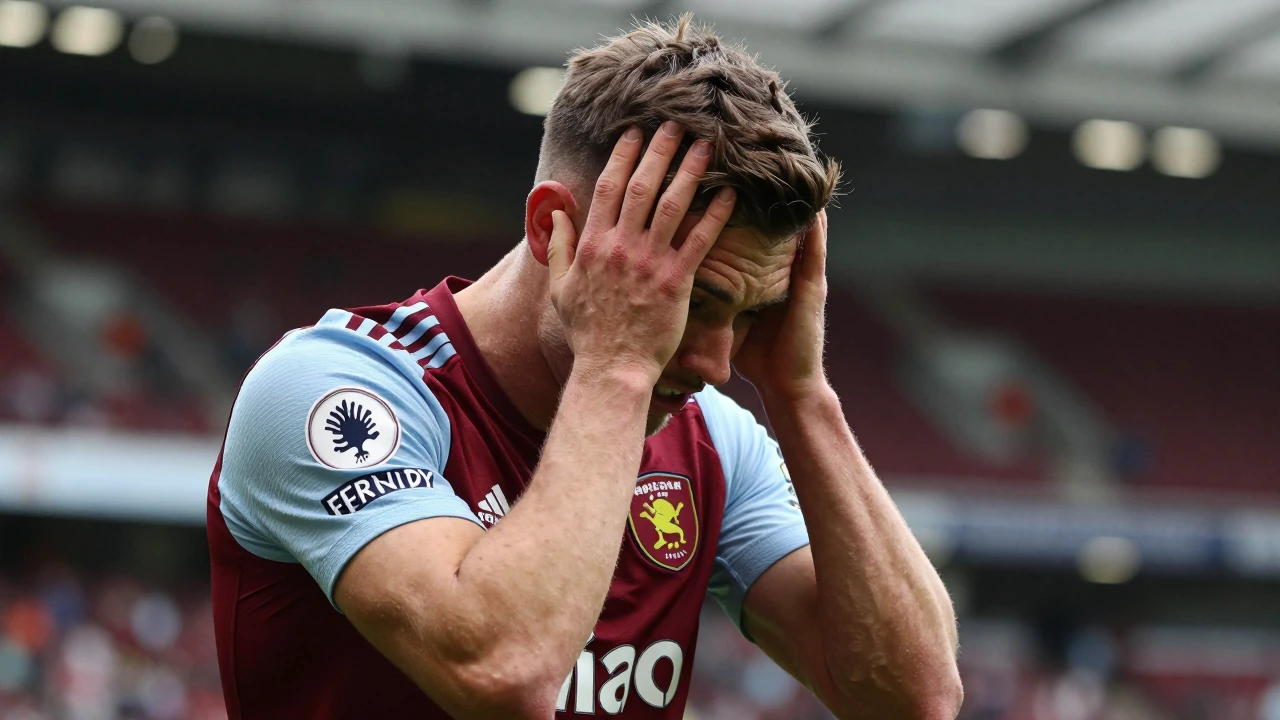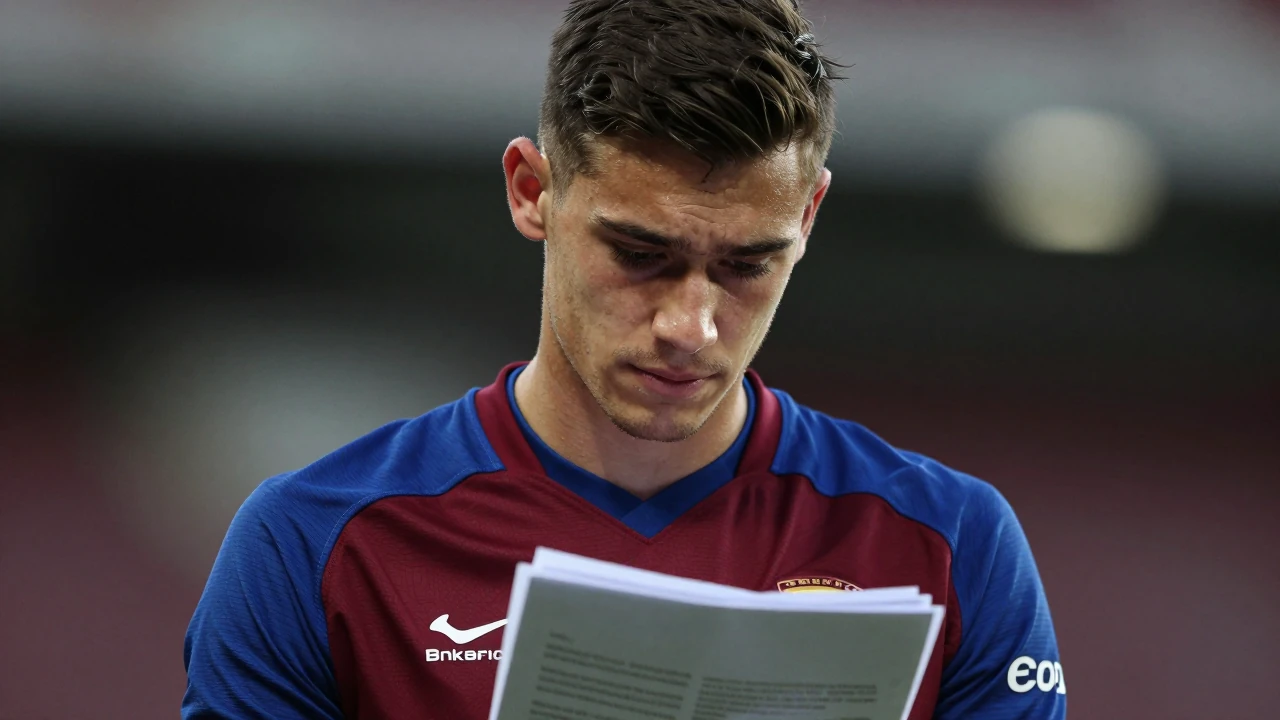

Aston Villa's return to the Champions League is being tested by the Premier League's financial rules and a difficult start to the new season. The club is among those questioning whether the league's spending framework is rigged to protect the established 'Big Six'.
Unai Emery's side, fresh from winning the Europa League last season, sits 19th in the Premier League after two games, with zero points, zero goals scored, and five conceded. They are already six points behind leaders Manchester City. The club's immediate focus is on their next fixture, a home match against Nottingham Forest on September 12, as they look to kickstart their campaign.
The current regulations allow clubs to spend 85% of their revenue on players, wages, and football staff. For those in European competition, UEFA imposes a stricter 70% limit. Last November, Aston Villa voted in favour of these new Premier League rules, which were passed by a 14-6 majority. The dissenters were Brighton, Brentford, Bournemouth, Crystal Palace, Fulham, and Leeds. A separate proposal for an 'anchoring' system, which would have further tied spending to the league's lowest earners, was supported by only seven clubs and thrown out.
Despite voting for the rules, Villa have felt their pinch. The club's wage bill has rocketed, breaching a 90% wages-to-turnover ratio at one point. Along with Chelsea, Nottingham Forest, and Newcastle, they were found to be in breach of UEFA's spending rules last July. This comes as the Premier League's total summer spend hit a record £3.49 billion, with half of that money moving between top-flight clubs.
Manager Unai Emery has acknowledged the tension. "Financial control rules came to football to avoid bankruptcies and payment defaults with a good purpose," he said. "But this good tool will become a limitation." The club has taken significant steps to comply, including losing more than half of their Europa League-winning squad in the recent transfer window. A major sale saw England international Morgan Rogers move to Chelsea for £117 million.
To grow revenues long-term, Villa are expanding Villa Park's capacity from 43,000 to over 50,000. They are not alone in this strategy; Everton believe their new stadium will help them crash the Big Six, while Newcastle's chief executive David Hopkinson has a plan to grow revenues by -50% by 2030. "We are going to catch up from behind," Hopkinson said.
The financial gap remains vast. The richest six clubs earn more than the other 14 combined. The current TV deal is worth £6.7bn and runs until 2028, with the league experimenting in Singapore with producing its own content. Clubs like Brighton have gotten close to the top but remain stuck in a cycle of selling key assets, such as Jan Paul van Hecke, who was signed for a small sum and later sold to Spurs for a vast fee. Brentford, who finished above Chelsea last season, are not permitted to spend as much.
Newcastle's own summer saw major sales, with Anthony Gordon going to Barcelona, Bruno Guimaraes to Arsenal, and Sandro Tonali to Tottenham. For Villa, the first-team squad is also dealing with injuries, with Amadou Onana, Brian Madjo, and Johan Manzambi currently sidelined. Fans can check the latest team news on our injuries page.
The club's ambition is clear, but the path is fraught with financial hurdles and immediate on-pitch concerns. Their league standing and goal difference provide a stark contrast to last season's European success. The challenge now is to balance the books while rebuilding a competitive squad for multiple fronts. The full fixtures list shows an important run of games ahead, starting with Forest at Villa Park this weekend.